English
 中文
中文Rigid Box Making Machine Buying Guide
 Dec 24,2025
In the fast-evolving world of packaging, where luxury brands and e-commerce giants alike demand premium presentation, investing in a Rigid Box Making Machine can transform your operations. Whether you're a startup dipping into high-end gift packaging or a multinational scaling production, this comprehensive guide demystifies the procurement process. Drawing from years of industry experience and real-world insights, we'll explore market dynamics, buyer personas, and step-by-step strategies to ensure your purchase drives efficiency, cuts costs, and boosts quality. If you're tired of outsourcing rigid boxes and ready to bring production in-house, read on to avoid common pitfalls and unlock sustainable growth.
Understanding the Rigid Box Making Machine Industry: Macro Insights for Informed Decisions
Before diving into the nuts and bolts of buying a Rigid Box Making Machine, it's crucial to grasp the broader landscape. The global rigid packaging market, which heavily relies on these machines, is on a steady upward trajectory. Projections indicate the rigid box market will expand from USD 83.92 billion in 2025 to USD 100.75 billion by 2034, growing at a compound annual growth rate (CAGR) of 2.08%. This growth is fueled by surging demand in sectors like electronics, cosmetics, and luxury goods, where rigid boxes offer superior protection and aesthetic appeal compared to flexible alternatives.
For international buyers, Asia-Pacific dominates production, with China leading as a manufacturing hub due to cost advantages and technological advancements. However, trends like sustainability are reshaping the industry—expect a shift toward eco-friendly materials, such as recycled paperboard, and machines that minimize waste. Automation is another key driver; fully automatic Rigid Box Making Machines are increasingly popular, with market sizes for these systems estimated at USD 3.3 billion in 2025, projected to reach USD 4.14 billion by 2033. This reflects a CAGR of around 3-6% in related segments, driven by labor shortages and the need for precision in high-volume runs.
On the flip side, challenges include supply chain disruptions and rising raw material costs. For instance, post-pandemic volatility has pushed buyers toward local suppliers or diversified sourcing. Geopolitical factors, like trade tariffs, can inflate import duties by 10-25% for equipment from Asia, making total cost of ownership (TCO) a critical metric. Environmentally, regulations in the EU and US are mandating lower carbon footprints, so look for Rigid Box Making Machines with energy-efficient servo motors that reduce power consumption by up to 30%.
From a competitive standpoint, the industry is fragmented, with key players innovating in smart features like IoT integration for real-time monitoring. For small businesses, this means accessible entry points with semi-automatic models; for enterprises, scalable lines that integrate with ERP systems. Overall, the Rigid Box Making Machine sector is maturing, with a focus on customization—machines now handle diverse box styles, from clamshell to magnetic closure, catering to niche markets like jewelry or smartphones.
Buyer Personas: Tailoring Your Approach to Different Levels in the Packaging Industry
Not all buyers are created equal. In the packaging machinery space, we can segment them into tiers based on scale, experience, and needs. This segmentation helps customize your procurement strategy, ensuring the Rigid Box Making Machine aligns with your operational reality.
Entry-Level Buyers: Startups and Small Businesses
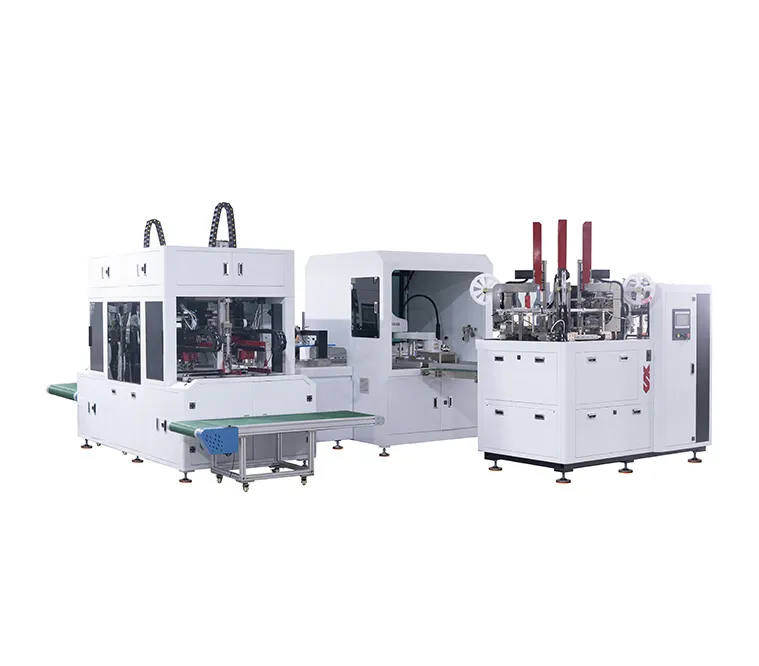
For newcomers or small operations producing under 5,000 boxes monthly, the focus is on affordability and versatility. These buyers often lack dedicated engineering teams, so user-friendly Rigid Box Making Machines with minimal setup time are ideal. Consider semi-automatic models like those with production speeds of 15-20 pcs/min, suitable for custom runs. Budgets typically range from $20,000 to $50,000, emphasizing ROI through quick payback—aim for machines that handle box sizes from 85x70x15mm to 600x400x120mm to cover gift boxes or e-commerce packaging.
Challenges here include limited space and training needs. Opt for compact designs under 3x2x2 meters, and prioritize suppliers offering virtual demos or on-site training. Sustainability is a plus; machines using water-based glues reduce environmental impact, appealing to eco-conscious brands.
Mid-Tier Buyers: Growing SMEs
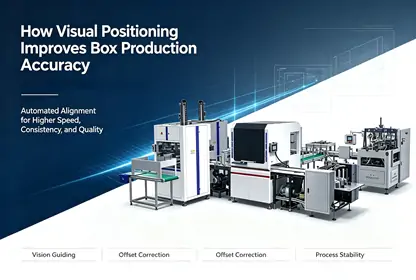
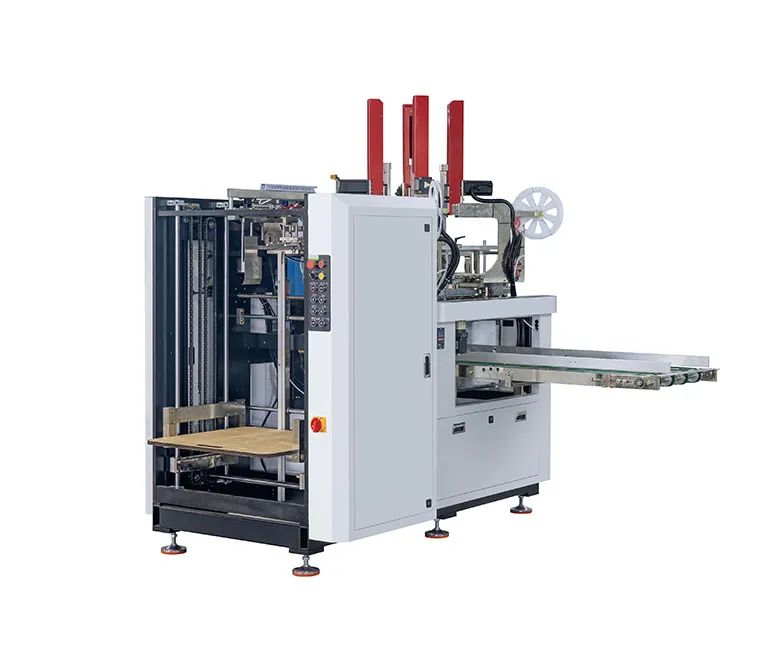
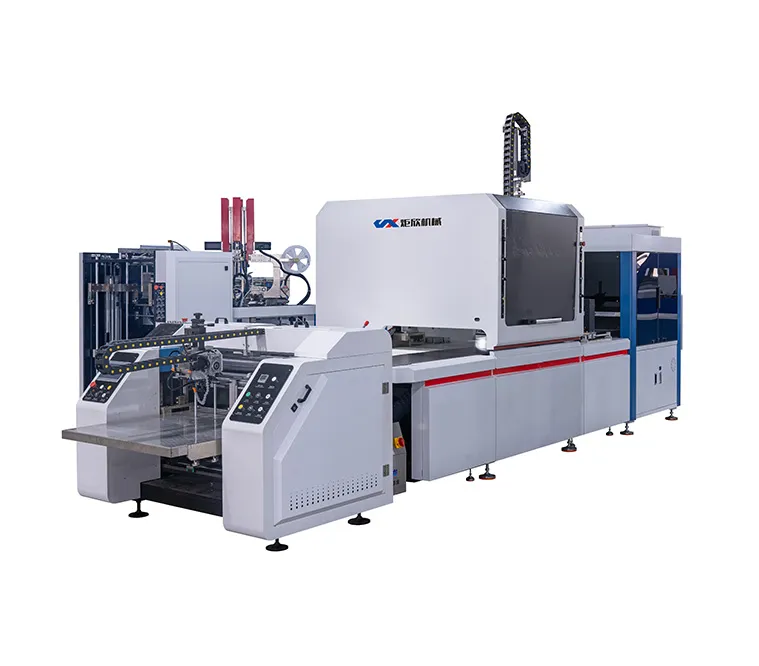
Scaling businesses, producing 10,000-50,000 boxes monthly, need a balance of speed and customization. Here, fully automatic Rigid Box Making Machines shine, with features like visual positioning systems ensuring ±0.05mm accuracy. Expect investments of $50,000-$150,000, where integration with existing lines (e.g., printing or laminating) is key.
These buyers often face variability in orders, so machines with quick changeover—under 10 minutes—are essential. Look for models supporting paper thicknesses of 80-300g/m² and air pressures of 0.6-0.8MPa for reliable operation. Risk mitigation involves warranties of 1-2 years and spare parts availability to minimize downtime.
Enterprise-Level Buyers: Large Corporations and Manufacturers
High-volume players, churning out over 100,000 boxes monthly, demand industrial-grade Rigid Box Making Machines with speeds up to 30 pcs/min and modular designs for expansion. Budgets exceed $150,000, often including custom engineering. These buyers integrate machines into automated factories, focusing on data analytics for predictive maintenance.
Key considerations: Compliance with international standards like CE or ISO, and features like motion controllers for seamless operation. Supply chain resilience is paramount—source from established regions to avoid delays. For global operations, multilingual interfaces and remote diagnostics cut service costs by 20-30%.
Across all levels, experience matters. Novices should partner with consultants; veterans leverage data from past purchases to negotiate better terms.
Pre-Purchase Phase: Research and Planning for a Smart Investment
The foundation of a successful buy lies in thorough preparation. Start by assessing your needs: What box types (e.g., foldable, rigid setup) and volumes do you anticipate? For a Rigid Box Making Machine, map out production goals—low-volume custom vs. high-speed mass.
Market Research and Trend Analysis
Dive into industry reports. The automatic Rigid Box Making Machine market is set to grow at 6.6% CAGR through 2035, driven by e-commerce boom. Use tools like Alibaba or trade shows (e.g., Drupa) to scout options. For international buyers, factor in tariffs—US importers might face 25% on Chinese machines—and currency fluctuations.
Technical Specifications to Prioritize
Key parameters include:
- Box Size Range: Min 40x40x10mm to max 600x400x120mm for versatility.
- Production Speed: 10-30 pcs/min, with servo-driven models hitting higher efficiencies.
- Power and Air Requirements: 2-5kW/220V motor, 10-250L/min at 0.6-0.8MPa.
- Accuracy: Visual systems with ±0.05mm positioning error.
- Material Compatibility: Handles 80-300g/m² paper, with glue tanks for hot-melt or cold adhesives.
- Dimensions and Weight: Machines around 3-4m long, 1-2 tons, for factory fit.
Budget for add-ons like corner pasting or folding modules. Calculate TCO: Initial cost + energy (e.g., 20% savings with efficient motors) + maintenance.
Supplier Evaluation
Shortlist 3-5 vendors. Check reviews; for example, brands like JUXIN offer reliable automatic models with integrated automation for small factories. Request RFQs, demos, and references. For small buyers, focus on local support; enterprises, global networks.
Risk Assessment
Identify pitfalls: Overbuying capacity leads to idle machines; underestimating leads to bottlenecks. Use ROI calculators—expect payback in 12-24 months for mid-tier setups.
During-Purchase Phase: Negotiation, Selection, and Execution
With research in hand, move to active procurement.
Selecting the Right Machine
Compare models based on needs. For startups, semi-auto Rigid Box Making Machines with 15-20 pcs/min speed suffice. SMEs might choose fully auto with touch-screen interfaces; enterprises, lines with IoT.
Test via virtual tours or samples. Ensure compliance with safety standards.
Negotiation Strategies
Leverage volume for discounts—10-20% off list prices. Bundle training or spares. For international deals, use Incoterms like FOB to control shipping costs, which can add 5-15%.
Financing and Logistics
Lease vs. buy: Small businesses lease for cash flow; enterprises buy for depreciation benefits. Factor customs: IEC codes for imports, duties paid upfront.
Contract Essentials
Include clauses for delivery timelines (4-8 weeks), warranties, and penalties for delays.
Post-Purchase Phase: Installation, Optimization, and Long-Term Success
The real work begins after delivery.
Installation and Setup
Professional installation takes 1-2 weeks. Train staff—aim for 80% proficiency in a month. Calibrate for your materials to avoid defects.
Maintenance Best Practices
Schedule daily checks: Clean glue systems, lubricate motors. Annual overhauls extend life by 20%. Stock spares like belts (5-10% of machine cost yearly).
Performance Optimization
Monitor KPIs: Uptime >95%, waste <5%. Integrate software for analytics. For sustainability, upgrade to low-energy modes.
Troubleshooting Common Issues
Address jams with sensor adjustments; quality dips via calibration. Supplier support is key—choose those with 24/7 help.
Scaling and Upgrades
As volumes grow, modular Rigid Box Making Machines allow additions. Resell old units if upgrading.
In wrapping up, this guide equips you across buyer levels and stages to make a confident Rigid Box Making Machine purchase. By blending macro insights with practical tips, you'll navigate the market like a pro, ensuring your investment pays dividends.