English
 中文
中文How to Reduce Changeover Time in Box Production
 Oct 10,2026
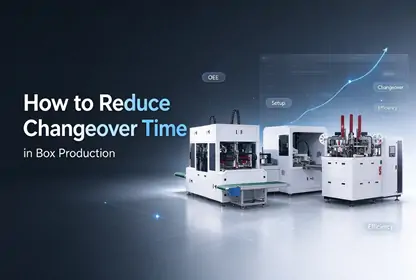
Changeover time is the period between the last good unit of one production run and the first good unit of the next. It includes machine adjustment, material change, calibration, and trial runs. In rigid box production, changeover time directly affects overall equipment efficiency, especially for factories producing multiple box types in smaller batches. This article explains what contributes to changeover time and outlines practical ways to reduce it.
Why Changeover Time Matters
For factories producing a single box type at high volume, changeover is a rare event. But for operations producing gift boxes, phone boxes, or seasonal packaging, changeover may happen several times per day or week. In these cases, changeover time has a significant impact on:
- Effective production capacity: Time spent on changeover is time not producing
- Labor cost: Changeover often requires skilled operators and technicians
- Waste: Trial runs and adjustments generate rejected units
- Scheduling flexibility: Long changeovers make it harder to respond to urgent orders
Reducing changeover time is often one of the most practical ways to improve overall equipment efficiency without additional equipment investment.
What Contributes to Changeover Time
Changeover time is not a single activity—it is a sequence of tasks. Common contributors include:
- Mechanical adjustments: Changing pressure plates, blades, or molds
- Positioning recalibration: Adjusting sensors or visual positioning systems
- Glue system changes: Switching adhesive types or adjusting application settings
- Material loading: Replacing paper or board stock
- Trial runs and inspection: Running samples and checking quality
- Documentation and checks: Recording settings and verifying specifications
Each step adds time. Some are unavoidable, but many can be shortened or eliminated with the right equipment design and preparation.
Factors That Affect Changeover Efficiency
Several factors determine how quickly a changeover can be completed.
| Factor | Impact on Changeover Time |
|---|---|
| Machine design | Equipment with digital adjustment reduces manual steps |
| Mold and tooling system | Quick-release or mold-free systems save time |
| Operator skill | Trained operators complete changeovers faster with fewer errors |
| Preparation | Pre-staged materials and tools reduce downtime |
| Documentation | Clear setup sheets and checklists prevent trial-and-error |
| Frequency | Frequent changeovers justify investment in faster setup systems |
Understanding which factors matter most in your production environment helps prioritize improvements.
Practical Ways to Reduce Changeover Time
The following measures can reduce changeover time without compromising quality.
1. Use Equipment with Digital Adjustment
Machines that allow operators to input product dimensions digitally—rather than manually changing pressure plates or blades—can reduce setup time significantly. Automatic mold adjustment eliminates the need for physical part changes and reduces the risk of human error.
2. Standardize Setup Procedures
Documenting the exact steps for each changeover ensures consistency. A setup checklist helps operators complete tasks in the correct order and reduces the chance of missed steps.
3. Pre-Stage Materials and Tools
Having the next run's materials, molds, and tools ready before changeover begins reduces the time spent searching or waiting. This is sometimes called "external setup"—tasks that can be done while the machine is still running.
4. Train Operators on Changeover
Skilled operators complete changeovers faster and with fewer errors. Regular training and practice on changeover procedures helps maintain speed and consistency.
5. Reduce Trial Runs
Trial runs are necessary to verify settings, but they should be minimized. Accurate setup documentation and reliable calibration reduce the need for repeated adjustments.
6. Monitor and Improve
Tracking changeover time for each run helps identify bottlenecks. Small improvements—such as moving a tool closer to the machine or simplifying a checklist—can add up over time.
Changeover and Equipment Selection
If changeover speed is important for your production, it should be a factor in equipment selection. Questions to ask during evaluation include:
- How are pressure and mold settings adjusted?
- How long does a typical size change take?
- What calibration is required after changeover?
- Are setup procedures documented and easy to follow?
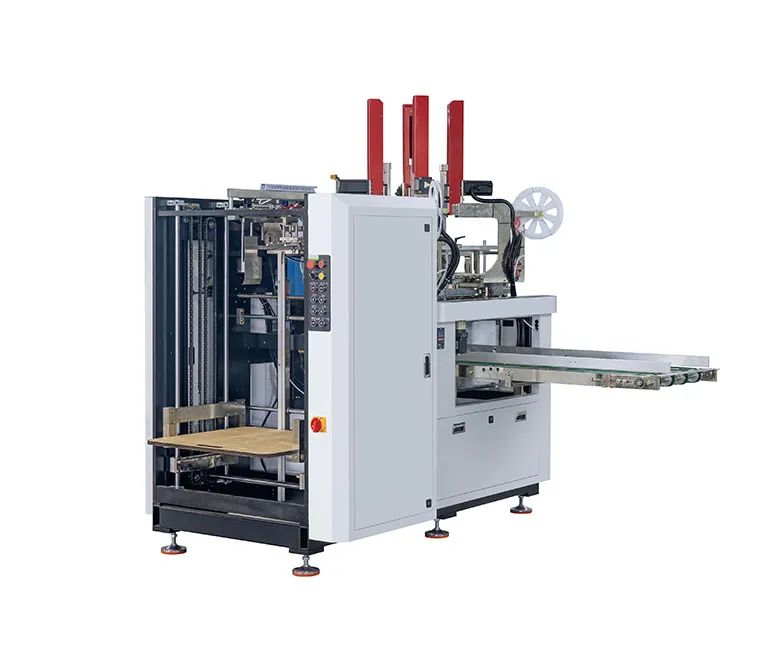
Equipment designed for flexibility—such as machines with automatic mold adjustment and visual positioning—can reduce changeover time without sacrificing production quality. For more detailed specifications, refer to the product specifications of the equipment you are considering. Regular maintenance services also help keep changeover times predictable by ensuring mechanical components remain in good condition.
When Changeover Time Is Less Critical
Changeover time matters most in high-mix, low-volume production. If your factory produces a single box type continuously for weeks or months, changeover time has less impact on overall efficiency. In these cases, other factors—such as production speed, reliability, and material cost—may deserve more attention.
Conclusion
Changeover time is a practical measure of production flexibility. Reducing it requires attention to equipment design, setup procedures, operator training, and preparation. Even modest improvements can increase effective production capacity and reduce waste.
If you are evaluating equipment for a multi-product production environment, contact our team to discuss your specific changeover requirements. You can also explore our application solutions for different box types and production scenarios.