English
 中文
中文How Can a Rigid Box Making Machine Improve Luxury Packaging Efficiency?
 May 15,2026
Luxury packaging production has changed significantly over the past few years. Premium brands now expect packaging suppliers to deliver not only elegant visual presentation, but also faster lead times, stable quality, and flexible customisation capabilities.
For packaging manufacturers, the challenge is no longer simply producing attractive boxes. The real challenge is maintaining premium-level consistency while handling increasingly complex production demands.
This is especially important in industries such as:
•Cosmetics
•Jewelry
•Consumer electronics
•Premium food packaging
•Gift and presentation products
As order quantities become more diverse and delivery schedules become tighter, traditional manual workflows often struggle to maintain stable production efficiency.
Why Traditional Production Methods Create Efficiency Challenges
Luxury carton production involves multiple precision-based processes, including:
•Paper feeding
•Cardboard positioning
•Corner pasting
•Surface wrapping
•Edge folding
•Bubble pressing
In semi-manual production environments, these processes rely heavily on operator experience and consistency.
However, manual operations may create challenges such as:
•Uneven wrapping alignment
•Glue overflow
•Surface wrinkles
•Edge deformation
•Inconsistent folding accuracy
These issues become more noticeable during high-volume production periods or when handling speciality materials such as textured paper, laminated surfaces, or magnetic closure structures.
For manufacturers producing premium packaging, even small positioning deviations can affect the final appearance of the product.
To improve production stability, many factories are gradually introducing automated forming and positioning systems into their packaging workflows.
If you want to explore automation solutions designed for premium carton manufacturing workflows, you can view advanced luxury box production configurations.
Automation Improves More Than Production Speed
One common misunderstanding about packaging automation is that its primary purpose is to increase output speed.
In reality, modern automation is often more valuable for improving:
•Process consistency
•Production repeatability
•Material utilization
•Workflow stability
•Setup efficiency
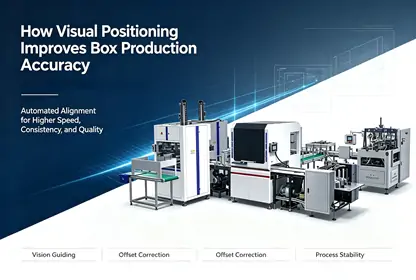
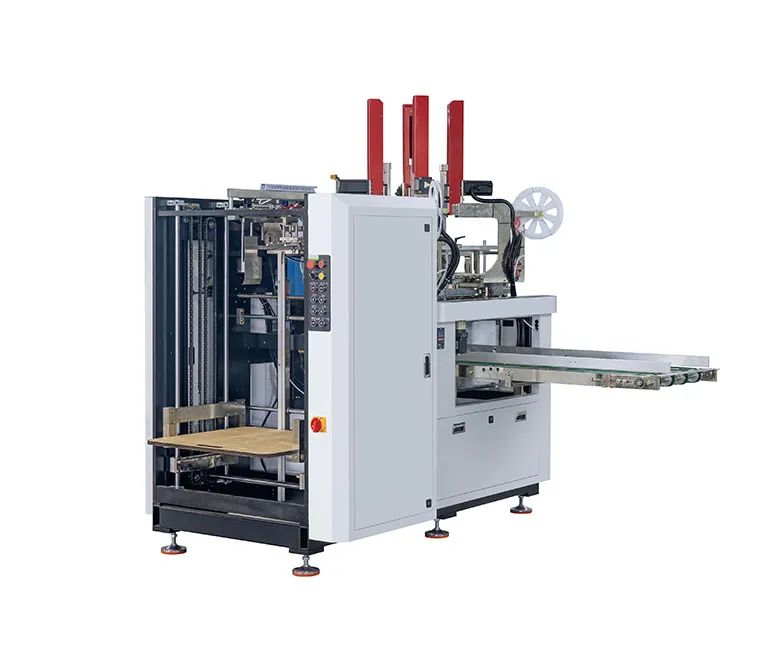
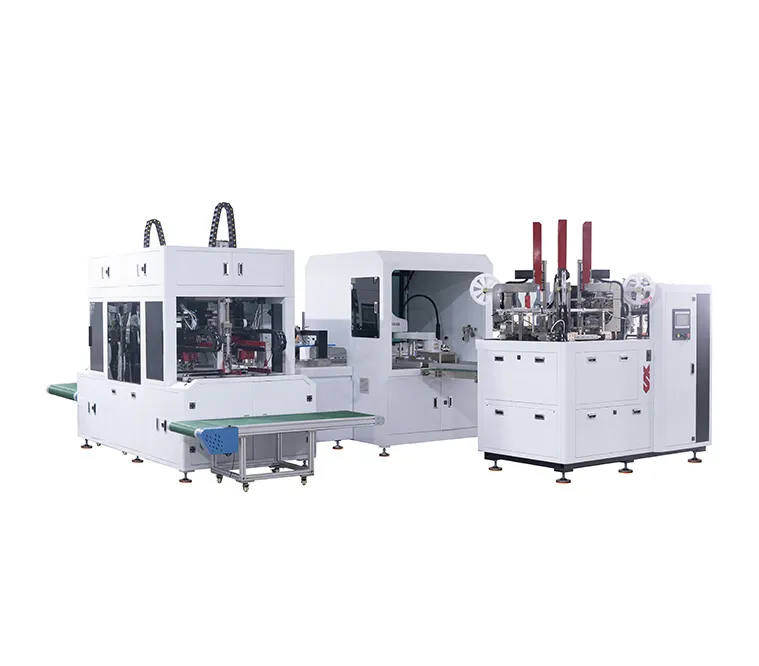
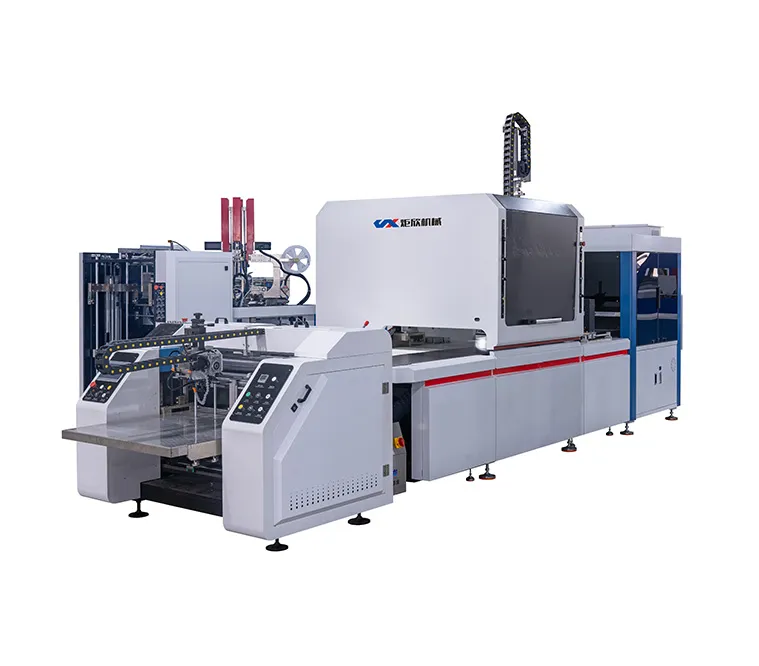
A modern Rigid Box Making Machine integrates multiple production stages into a coordinated workflow. This helps reduce manual intervention between production steps and supports more stable operating conditions.
Servo-driven positioning systems and automated control technologies are widely used in high-end packaging production because they support more consistent alignment and folding accuracy.
This is particularly important for luxury packaging manufacturers, where product presentation directly influences brand perception and customer experience.
In many premium retail markets, packaging quality is considered an important part of the overall product value.
Key Areas Where Packaging Automation Supports Efficiency
1. Faster Adjustment for Different Box Styles
Luxury packaging manufacturers often handle multiple product formats within the same production cycle.
Examples include:
• Jewellery boxes
•Cosmetic gift boxes
•Smartphone accessory packaging
•Boutique confectionery cartons
•Seasonal promotional packaging
Frequent product switching can increase setup time in traditional workflows.
Modern packaging systems simplify format adjustments through:
•Digital parameter storage
•Touchscreen control systems
•Automated positioning calibration
•Modular tooling structures
This allows manufacturers to handle small-batch and multi-style production more efficiently.
Factories seeking flexible production solutions for premium packaging projects can check modular setup options for high-mix carton production.
2. Improved Material Utilisation
Luxury packaging materials are often expensive and require careful handling.
Common materials include:
•Speciality coated paper
•Soft-touch laminated paper
•Metallic foil paper
•Rigid greyboard
•FSC-certified packaging materials
Manual wrapping inconsistencies may increase material waste during production.
Automated wrapping and glue control systems help manufacturers maintain:
•More stable paper positioning
•Cleaner adhesive application
•Better edge consistency
•Smoother surface finishing
This supports both production quality and material management objectives.
3. More Stable Quality During Continuous Production
Maintaining stable quality during long production cycles is an important challenge in luxury packaging manufacturing.
Automation technologies help standardise:
•Folding pressure
•Wrapping consistency
•Glue application control
•Corner forming accuracy
•Surface tension adjustment
For manufacturers supplying premium retail packaging, stable quality control is often necessary to meet customer inspection requirements and packaging standards.
Many packaging facilities also align their production processes with internationally recognised systems, such as:
•ISO quality management standards
•FSC material certification requirements
•Smart manufacturing and Industry 4.0 initiatives
Automation systems help support these operational requirements more effectively.
Smart Manufacturing Is Becoming More Common in Packaging Production
The packaging industry is gradually moving toward more connected and data-oriented manufacturing environments.
Modern production lines increasingly integrate:
•Intelligent feeding systems
•Digital monitoring interfaces
•Vision inspection technologies
•Barcode tracking systems
•Automated stacking solutions
These technologies help manufacturers improve workflow visibility and simplify production management.
In regions facing rising labour costs and increasing customisation demands, smart manufacturing technologies are becoming an important part of long-term production planning.
Manufacturers evaluating future production upgrades often focus on scalable systems that support both current efficiency requirements and future expansion possibilities.
You can explore scalable automation solutions for premium carton manufacturing.
Important Considerations Before Upgrading Production Equipment
Although automation offers many advantages, selecting the right production system requires careful evaluation.
Production Stability Matters More Than Maximum Speed
In luxury packaging production, consistent forming quality is usually more important than achieving the highest theoretical output speed.
Stable operation helps reduce interruptions and supports better product consistency.
Operator Training Still Plays an Important Role
Even highly automated systems require proper setup, maintenance, and operational understanding.
Well-trained operators help ensure:
•More stable machine performance
•Faster troubleshooting
•Better calibration accuracy
•Longer equipment lifespan
Production Flexibility Is Increasingly Important
Luxury packaging markets frequently introduce new box structures, materials, and seasonal designs.
Flexible production systems are often better suited for handling changing market demands than highly specialised single-format solutions.
Final Thoughts
Luxury packaging manufacturers are under increasing pressure to balance:
•Premium visual quality
•Faster delivery expectations
•Flexible customization
•Production stability
•Sustainable manufacturing goals
Automation technologies are helping packaging facilities improve workflow consistency while adapting to increasingly complex production requirements.
For manufacturers interested in exploring more advanced premium carton production solutions, it may be helpful to review JUXIN’s intelligent luxury packaging systems designed for modern packaging workflows.