English
 中文
中文 Sep 20,2026
Article Overview: This guide supports procurement managers, sourcing teams, and project engineers preparing a juxin machinery selection decision for rigid box and case making lines. It covers what to define before enquiry, how operating requirements set the production envelope, which configuration trade-offs deserve scrutiny, and what evidence and acceptance checks to require. The recommendations are decision criteria and verification steps, not performance promises; specifications, output, and delivery terms must be confirmed in the supplier's written quotation.
What Should Buyers Know About Juxin Machinery Selection?
Buyers should treat juxin machinery selection as a requirements-matching exercise rather than a model comparison. Define the formats, materials, tolerance, and output you must run, then ask suppliers to confirm in writing which configuration satisfies that defined envelope.
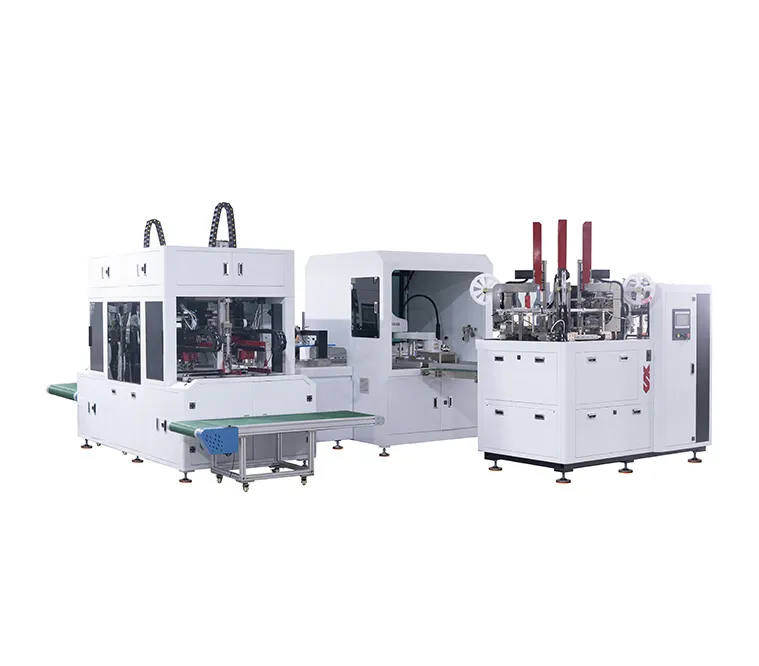
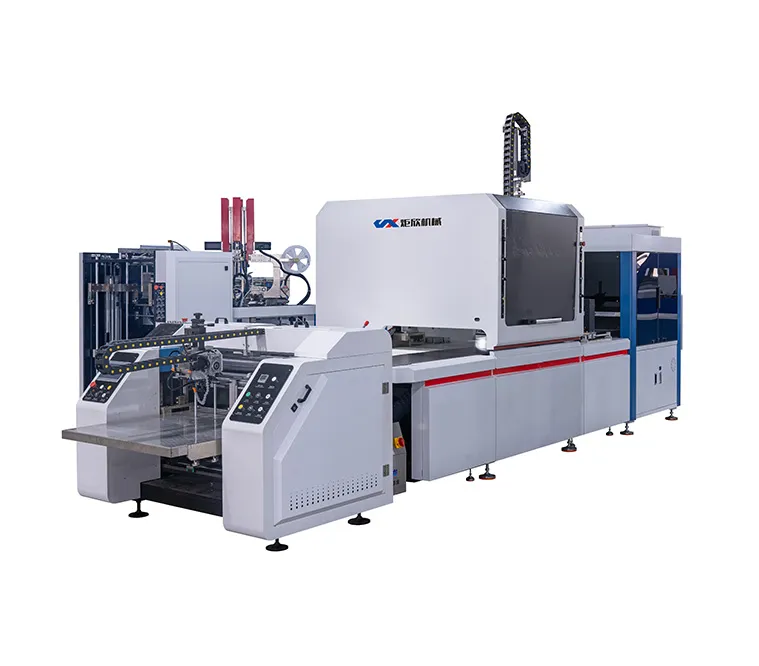
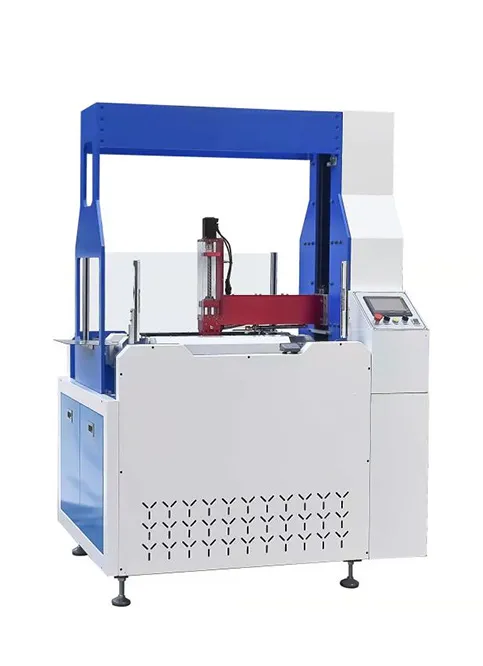
Rigid box production combines board preparation, corner pasting, wrapping, and lid-and-base forming, and Juxin Machinery presents these as distinct machine families supported by auxiliary equipment. A selection exercise therefore begins with a process map of your own product, not with a model number. Buyers who start from a model tend to compare features that do not correspond to their product mix, which makes competing quotations difficult to normalize.
The practical first step is a written requirement brief that separates mandatory conditions from preferences. It should be agreed internally before any supplier conversation, because it becomes the reference document for the RFQ, the sample run, and final acceptance. Procurement, production, and quality should each sign it, since each function will later measure the delivered machine against a different part of the same document.
A requirement brief for rigid box equipment should define at least:
- Box formats and the full size range you expect to run, including lid and base combinations.
- Board grades and thicknesses, plus wrap materials and their behaviour during gluing and forming.
- Print and finish conditions, including whether foil, lamination, or textured stock is involved.
- Required good output per shift and the shift pattern the line must sustain.
- Changeover frequency and the formats that change most often.
- Tolerance and appearance criteria, and how each will be measured at acceptance.
- Utilities, compressed air, floor space, and operator skill available on site.
How Do Operating Requirements Define the Production Envelope?
Begin with the physical limits the machine must respect: box size range, board and wrap combinations, changeover frequency, good output per shift, and available utilities and floor space. Suppliers should confirm each limit in writing for a specific configuration.
The production envelope is the set of conditions a configuration is built to handle. It is normally documented in the supplier's specification sheet, but specification sheets are written for a general reader while your brief is specific. The comparison that matters is between your brief and the supplier's written confirmation, item by item.
- Size envelope
- The smallest and largest formed box the configuration handles, with the changeover steps between them.
- Material envelope
- Board thicknesses and wrap stocks the feeding, gluing, and forming stations are set up to run.
- Changeover envelope
- Which dimensions are adjusted by hand, which are motorized, and how long a documented changeover takes.
- Output envelope
- The rated cycle rate and the exact material and format conditions under which that rate is measured.
- Utility envelope
- Connected load, compressed air demand, and the ambient conditions the machine assumes.
For capacity planning, the conventional relationship is effective good output = rated rate × planned production time × OEE, where rated rate is pieces per hour measured on your specified format, planned production time is hours excluding planned stops, and OEE is the availability, performance, and quality fraction. The estimate is only as sound as its inputs; treat any supplier-quoted rate as a claim to be confirmed on a trial run rather than as a verified figure for your product.
Configuration and Automation Trade-Offs
Automation level is the variable most likely to shift operating cost and staffing, and it is also the variable most often compared incorrectly, because quotations describe it in different terms. Two responses may both say "automatic" while differing on feeding, glue control, corner forming, and registration.
Dimensions worth comparing directly
Rebuild every offer onto the same six dimensions before shortlisting:
- Labour content per shift and the skill level required to hold quality.
- Changeover time and how much of it depends on operator judgement.
- Consistency of glue application, corner forming, and wrap registration.
- Capital outlay measured against expected annual volume rather than the largest order you might receive.
- Maintenance and spare parts demand once the line is running in production.
- Room to add auxiliary operations later, such as insert or sheet pasting steps.
Machine behaviour is easier to judge from motion than from text. Where a site visit is not practical, the Juxin Machinery video library shows feeding, forming, and changeover sequences that specification sheets rarely capture.
How Should Teams Evaluate Juxin Machinery Selection Before Purchase?
A staged process reduces selection risk: issue a structured RFQ against your requirement brief, test the supplier's written response against that brief, verify performance with samples or a trial, then agree acceptance criteria before releasing purchase approval.
The sequence below keeps supplier claims and verified performance in separate parts of the decision, which is the main protection against a late-stage surprise.
Step 1: Issue a structured RFQ
Send the requirement brief with a response template that forces a line-by-line confirmation of size, material, changeover, output, and utility conditions, plus the assumptions behind each figure.
Step 2: Normalize the written responses
Convert each offer into the same template and flag any item the supplier left unanswered. Unanswered items are open risk, not small print.
Step 3: Verify with samples or a trial
Run your own board and wrap materials on the proposed configuration, or on a machine the supplier identifies, and record the conditions and results in writing.
Step 4: Fix acceptance criteria before ordering
Agree measurable criteria, sample retention, inspection method, training scope, documentation, and spares handover, and attach them to the purchase contract.
What Evidence Is Required for Juxin Machinery Selection?
Request documented evidence: general arrangement and utility drawings, the material and size range the configuration is built for, cycle-time data from comparable runs, spare parts and consumables lists, maintenance intervals, training scope, warranty terms, and reference installations you can contact.
Documentation separates a workable shortlist from a hopeful one. Ask for the documents as a single pack, and check that the drawings, the specification, and the quotation describe the same configuration rather than a general family of machines.
Evidence worth requesting in writing:
- General arrangement, footprint, and floor loading or foundation requirements.
- Electrical load, compressed air demand, and other utility connection data.
- The material and size combinations the offered configuration is set up to run.
- Cycle-time data with the material, format, and conditions used to obtain it.
- Wear parts, consumables, and recommended spares with replacement intervals.
- Training scope, documentation language, and who attends the training.
- Warranty terms, response arrangements, and remote or on-site support scope.
Maintenance expectations belong in the same pack. Ask for the preventive schedule and the wear parts that drive it; a supplier should be able to point to a documented routine, comparable to the guidance in this rigid box making machine maintenance guide, with intervals stated for your configuration rather than for a generic machine.
Auxiliary operations should be specified at the same time, not added after commissioning. Where boxes carry inserts, an automatic magnet and steel sheet pasting machine needs its own footprint, cycle requirement, and interface with the main line in the layout you approve.
FAQ
Can a single configuration cover several box formats?
Often it can, but economic coverage depends on changeover time and tooling rather than on a stated range alone. Ask which formats are covered without part changes, how long a documented changeover takes, and which settings are operator-dependent. A configuration that covers every format on paper can still be impractical at a high changeover frequency.
What lead times should procurement teams plan for?
Published supplier information indicates a freight preparation period of 7-15 days, with some combination machines taking 30-45 days, and customization scope can extend that. Treat such figures as published indications rather than commitments, and ask for a written schedule tied to the specific configuration, tooling, and customization in your order.
How should quotations with different automation levels be compared?
Rebuild each quotation into one template covering machine scope, operator count per shift, changeover steps, utility requirements, tooling and spares, training, installation, and warranty. Automation level moves several of those lines at once, so comparing only the purchase figure conceals the operating differences that appear after commissioning.
What should be validated before the final payment?
Confirm that the delivered configuration matches the agreed specification, that a run on your own materials meets the recorded acceptance criteria, that operators received the stated training, and that the listed spares and documentation were handed over. Record any deviation in writing and resolve it before the balance is released.
Conclusion: Converting Selection Criteria into a Purchase Decision
A defensible juxin machinery selection rests on three habits: writing down the operating envelope before contacting suppliers, comparing every offer on the same dimensions, and requiring evidence for each claim that matters to production. Model numbers and headline descriptions change between quotations; the requirement brief, the normalized comparison, and the acceptance criteria do not.
Buyers who complete that work before committing capital usually enter negotiation with a clearer view of where flexibility is genuinely useful and where a specification must be fixed. The final configuration, output figures, and delivery timing still depend on the supplier's written confirmation for your specific requirements.