English
 中文
中文Rigid Box Making Machine Maintenance: A Practical Guide
 Aug 14,2026
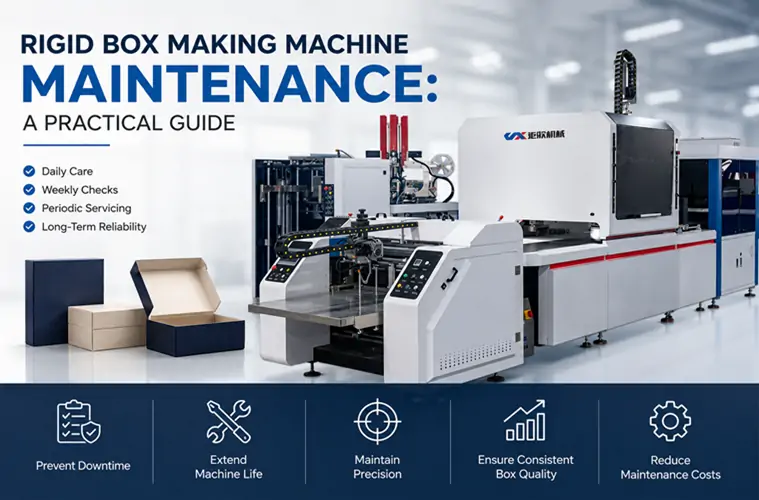
Regular maintenance is essential for keeping a rigid box making machine operating reliably over its service life. A well-planned maintenance routine helps reduce unexpected downtime, extends equipment life, and maintains consistent box quality. This guide covers the daily, weekly, and periodic maintenance tasks that operators and maintenance personnel should follow for rigid box production equipment.
Why Maintenance Matters for Rigid Box Equipment
Rigid box production involves multiple synchronized processes—wrapping, gluing, positioning, folding, and corner pasting. Each process depends on precise mechanical and electronic systems working together. Without regular maintenance, even high-quality equipment can develop issues that affect product quality and production efficiency.
Common consequences of inadequate maintenance include:
- Inconsistent wrapping pressure leading to surface wrinkles
- Positioning errors causing cover misalignment
- Uneven glue application from clogged or worn components
- Increased wear on moving parts, leading to premature failure
- Unplanned production stoppages
Daily Maintenance Checklist
Operators should perform the following checks at the start of each shift. These tasks typically take 10 to 15 minutes and can prevent most common issues.
| Check Item | What to Inspect | Action Required |
|---|---|---|
| Machine exterior | Cleanliness; visible damage or loose parts | Wipe down; tighten loose fasteners |
| Glue application system | Nozzle condition; glue level; viscosity | Clean nozzles; refill or adjust glue as needed |
| Wrapping and folding stations | Pressure settings; mold condition | Verify settings for current production run |
| Positioning system | Sensor alignment; calibration status | Check calibration before production start |
| Electrical panel | Indicator lights; error messages | Review control panel status; note any warnings |
For a complete overview of equipment options and configurations, you can review the full product lineup to understand the specific systems on your line.
Weekly and Monthly Maintenance Tasks
In addition to daily checks, the following tasks should be performed weekly or monthly, depending on production volume.
Lubrication
Proper lubrication reduces friction and wear on moving parts. Check the machine manual for recommended lubricants and intervals. Key areas include:
- Bearings and shafts at wrapping and folding stations
- Drive chains and gears
- Linear guides and sliding surfaces
- Cam followers and pivot points
Using the correct type and amount of lubricant is important—too little increases wear; too much can attract dust and contaminants.
Visual Positioning System Calibration
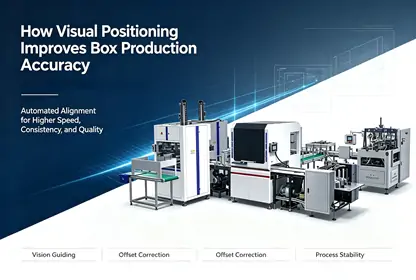
Machines equipped with visual positioning technology, such as the JX-HS700 Automatic Visual Positioning Machine, rely on precise camera and sensor alignment. Weekly calibration checks help maintain micron-level positioning accuracy. Signs that calibration may be needed include:
- Consistent misalignment of boxes
- Registration errors during production
- Inconsistent positioning between batches
Glue System Deep Cleaning
While daily cleaning focuses on nozzles and surface residue, a more thorough cleaning of the glue system should be performed weekly. This includes:
- Flushing glue lines to remove dried adhesive
- Inspecting and cleaning the glue tank and pump
- Checking filters and replacing if clogged
- Verifying glue application uniformity across the full width
For equipment with integrated gluing and positioning, regular cleaning of both systems is particularly important to maintain application solution performance.
Periodic Servicing and Component Replacement
Certain components have a finite service life and should be replaced at regular intervals to prevent unexpected failure. The table below provides general guidance.
| Component | Typical Replacement Interval | Signs of Wear |
|---|---|---|
| Glue applicator nozzles | 6 to 12 months | Uneven glue pattern; clogging |
| Wrapping mold surfaces | 12 to 24 months | Scratches; uneven pressure marks |
| Drive belts and chains | 12 to 18 months | Stretching; visible wear or cracking |
| Sensor and camera lenses | As needed | Scratches; hazing; calibration drift |
| Electrical contactors and relays | 24 to 36 months | Intermittent operation; pitting on contacts |
Actual replacement intervals depend on production volume, operating conditions, and material characteristics. Operators should keep maintenance logs to track component life and optimize replacement schedules.
Troubleshooting Common Maintenance Issues
Even with regular maintenance, issues may arise. The following checklist can help operators quickly identify and address common problems.
Quick Troubleshooting Checklist
- Box surface wrinkles: Check wrapping pressure; inspect mold surface; verify material tension
- Cover misalignment: Recalibrate positioning system; check sensor alignment; verify material loading
- Uneven glue application: Clean nozzles; check glue viscosity; inspect pump pressure
- Unusual machine noise: Inspect bearings; check lubrication; look for loose components
- Control panel error codes: Refer to manual; check electrical connections; reset system if safe to do so
If issues persist after basic troubleshooting, consult the equipment manual or contact technical support. Having a maintenance and support service plan in place can help minimize downtime.
Staff Training and Maintenance Documentation
Effective maintenance requires trained personnel who understand the equipment and follow documented procedures. Consider the following best practices:
- Maintain a maintenance log: Record all daily, weekly, and periodic tasks with dates and notes
- Create task checklists: Standardize procedures to ensure consistency
- Train operators: Ensure all operators can perform daily checks and recognize early warning signs
- Keep spare parts inventory: Stock commonly replaced components to avoid downtime
- Schedule regular reviews: Evaluate maintenance effectiveness and adjust intervals as needed
Frequently Asked Questions
Q: How often should I perform maintenance on a rigid box making machine?
A: Basic daily checks should be performed at the start of each shift. More thorough cleaning and inspection tasks should be done weekly, with component replacements scheduled every 6 to 24 months depending on usage and manufacturer recommendations.
Q: What are the most common signs that a rigid box machine needs servicing?
A: Common signs include inconsistent box quality (wrinkles, misalignment), unusual noises during operation, error codes on the control panel, and uneven glue application. Any of these should trigger an inspection.
Q: Can I use general-purpose lubricants on my rigid box equipment?
A: It is recommended to use the lubricants specified in the machine manual. Different components require different types of lubricants, and using the wrong type can cause damage or reduce effectiveness.
Q: How do I know when the visual positioning system needs recalibration?
A: Signs include consistent misalignment of finished boxes, registration errors, or positioning drift between production runs. Weekly calibration checks are recommended as a preventive measure.
Q: Is maintenance support available from JUXIN Machinery?
A: Yes. JUXIN Machinery provides after-sales support including spare parts supply, technical assistance, and on-site service when needed. Buyers are encouraged to confirm the specific support arrangements for their region.
Q: How can I reduce maintenance costs over the long term?
A: Consistent preventive maintenance reduces the need for major repairs. Training operators to catch issues early, maintaining good records, and using genuine spare parts can all help control long-term maintenance costs.
Conclusion
Effective maintenance of rigid box making equipment is not complicated, but it requires consistency and attention to detail. A well-planned maintenance program helps maintain box quality, reduces downtime, and extends equipment life. The key elements are:
- Daily visual and functional checks performed by operators
- Weekly cleaning and lubrication of critical systems
- Periodic component inspections and replacements based on manufacturer guidelines
- Proper documentation and staff training to ensure consistency
If you need technical guidance specific to your production setup, contact our technical support team for assistance. You can also review available rigid box making machine models for detailed specifications and recommended maintenance schedules.